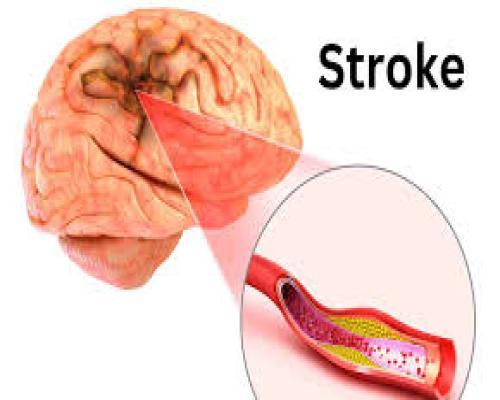
Stroke surgery is a medical procedure that is sometimes required to treat the effects of a stroke, especially in cases where immediate surgical intervention can help reduce damage to the brain, restore blood flow, or manage complications resulting from a stroke. Stroke itself occurs when the blood supply to the brain is interrupted, either due to a blockage (ischemic stroke) or rupture of a blood vessel (hemorrhagic stroke). Surgery is generally considered in specific situations where it can improve outcomes or prevent further damage.
Types of Stroke Surgery
1. Carotid Endarterectomy (CEA)
- Purpose: Carotid endarterectomy is a procedure to remove plaque or fatty deposits (atherosclerosis) from the carotid artery, which is a major blood vessel that supplies blood to the brain. This can help prevent future strokes, particularly ischemic strokes caused by a blockage in the carotid artery.
- Procedure: The surgeon makes an incision in the neck, exposes the carotid artery, and removes the plaque that is narrowing the artery. This restores proper blood flow to the brain and reduces the risk of stroke.
- Indications: Typically used for patients with significant narrowing or blockage of the carotid artery (stenosis), especially if they have already experienced a transient ischemic attack (TIA) or minor stroke.
- Risks: Infection, nerve injury, bleeding, or stroke during the procedure.
2. Craniectomy
- Purpose: A craniectomy is often used in cases of severe ischemic or hemorrhagic stroke, particularly when there is significant brain swelling (cerebral edema) or pressure buildup in the skull. The goal is to relieve intracranial pressure and prevent further brain damage.
- Procedure: The surgeon removes a portion of the skull to allow the swollen brain to expand without compression. This temporary removal of the skull is often followed by a later procedure to replace the bone flap (cranioplasty) once the swelling subsides.
- Indications: Used in cases where the brain is swelling and there is risk of herniation (when brain tissue is pushed out of its normal position due to pressure), which can be life-threatening.
- Risks: Infection, bleeding, brain damage, or neurological deficits.
3. Thrombectomy (Mechanical Thrombectomy)
- Purpose: Thrombectomy is a procedure used to remove a blood clot that is blocking a major artery in the brain, typically in patients with ischemic stroke caused by large vessel occlusion.
- Procedure: A catheter is inserted into an artery (often through the groin), and advanced tools are used to grab and remove the clot, restoring blood flow to the affected part of the brain.
- Indications: This surgery is generally performed in the acute phase of an ischemic stroke (typically within 6 to 24 hours after the stroke) when clot removal is necessary to prevent long-term brain damage or disability.
- Risks: Bleeding, infection, or worsening of neurological symptoms.
4. Hemorrhagic Stroke Surgery
- Purpose: In cases of hemorrhagic stroke (caused by bleeding in or around the brain), surgery may be necessary to stop the bleeding, remove accumulated blood, or repair blood vessels that have ruptured.
- Types of Procedures:
- Aneurysm Clipping or Coiling: If the hemorrhagic stroke is caused by a ruptured brain aneurysm, surgery may be performed to clip the aneurysm or use a catheter to insert coils that block the aneurysm and prevent further bleeding.
- Evacuation of Hematomas: In cases where blood has pooled in the brain (hematoma), a craniotomy or burr hole procedure may be done to remove the blood and relieve pressure on the brain.
- Cerebral Angiogram and Embolization: For certain cases, especially involving arteriovenous malformations (AVMs) or abnormal blood vessel clusters, embolization can be performed to block off the abnormal vessels causing bleeding.
- Indications: Hemorrhagic stroke caused by an aneurysm, AVM, or deep brain hemorrhage that requires immediate intervention.
- Risks: Infection, bleeding, neurological damage, and recurrence of bleeding.
5. Stenting
- Purpose: In some cases, stenting may be used to treat blockages in the blood vessels, particularly the carotid arteries, to prevent ischemic strokes. A stent is a small mesh tube inserted into an artery to keep it open and allow normal blood flow.
- Procedure: A catheter is inserted through the skin (often in the groin) to access the blocked artery. The stent is placed in the narrowed area of the artery to hold it open and improve blood flow to the brain.
- Indications: Carotid artery disease, particularly when combined with significant stenosis and a high risk of ischemic stroke.
- Risks: Stroke, bleeding, and damage to the artery.
Post-Surgery Care and Recovery
- Intensive Monitoring: After stroke surgery, patients are typically monitored in an intensive care unit (ICU) to ensure there are no complications, such as bleeding, infection, or neurological deterioration.
- Rehabilitation: Stroke patients may require a combination of physical therapy, occupational therapy, and speech therapy to help them recover motor function, cognitive abilities, and speech. The type and extent of rehabilitation depend on the severity of the stroke and the specific areas of the brain affected.
- Follow-up Care: Regular follow-up appointments are needed to monitor recovery progress, manage any complications, and adjust rehabilitation plans.
Risks and Complications of Stroke Surgery
- Bleeding: Any surgical intervention carries the risk of bleeding, particularly in the brain, which can worsen stroke symptoms.
- Infection: Post-surgical infections, especially in cases where the skull is opened (e.g., craniectomy or craniotomy), can lead to complications.
- Stroke Recurrence: Despite surgery, patients are still at risk for recurrent strokes, especially if the underlying risk factors (such as hypertension, atrial fibrillation, or atherosclerosis) are not managed.
- Neurological Damage: Surgery can sometimes lead to worsening of neurological function, either due to the procedure itself or because of complications such as swelling or pressure on the brain.