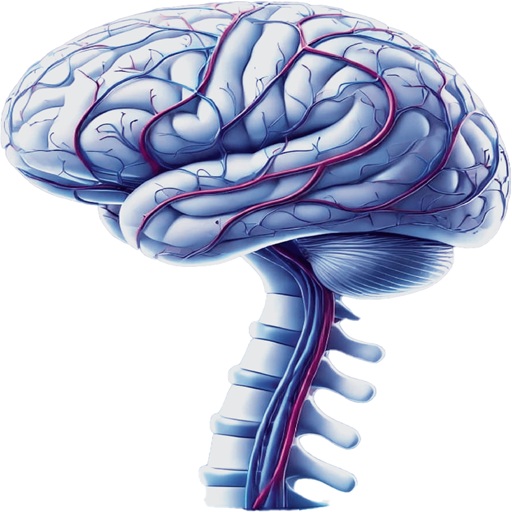
Head injury surgery is a medical procedure performed to treat severe injuries to the head, particularly those involving the brain or skull. Such injuries may result from trauma, such as a car accident, fall, or sports-related impact, and can cause damage to brain tissue, blood vessels, and the skull. Surgery is often needed when the injury is life-threatening or when other treatments are not sufficient to address the damage.
The type of surgery depends on the nature and severity of the injury. Some common types of head injury surgery include:
1. Craniotomy
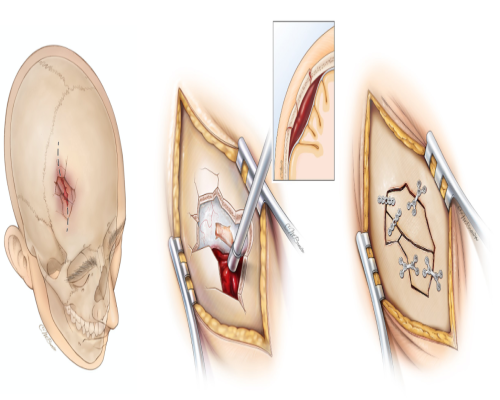
- Purpose: This is the most common procedure for serious head injuries. A craniotomy involves removing a portion of the skull (called a bone flap) to access the brain. This allows surgeons to relieve pressure, remove blood clots (hematomas), or repair damaged tissue.
- Indications: It is often performed in cases of brain swelling, hematomas, or bleeding in or around the brain, such as after a traumatic brain injury (TBI).
2. Decompressive Craniectomy
- Purpose: In cases of significant swelling in the brain (such as from a severe concussion or contusion), a decompressive craniectomy may be performed. The surgeon removes a portion of the skull to allow the brain more room to expand, which can help prevent further damage from increased intracranial pressure.
- Indications: This procedure is typically used when there is severe brain swelling or when the brain is at risk of being compressed due to fluid buildup.
3. Hematoma Evacuation
- Purpose: Hematomas, or collections of blood outside blood vessels, can form after a head injury. If a hematoma is large or putting pressure on the brain, it may require surgical removal. A surgeon may perform a craniotomy or use a small burr hole to drain the blood and relieve pressure.
- Indications: Common in cases where blood collects inside the skull after trauma, leading to neurological deficits or further brain injury.
4. Fracture Repair
- Purpose: If the skull has been fractured due to trauma, the bones may need to be realigned or repaired. Surgeons may use screws, plates, or other fixation devices to stabilize the fractured pieces of the skull.
- Indications: Skull fractures, especially those that cause visible deformities or pose a risk to the brain, often require surgical intervention.
5. Brain Contusion or Laceration Repair
- Purpose: A contusion is a bruise on the brain, and a laceration is a tear in brain tissue. In some severe cases, surgery may be required to repair these injuries, particularly if they are causing significant damage to brain function or if there is a risk of infection.
- Indications: For large contusions or lacerations, surgery may be necessary to remove damaged tissue and prevent infection or further neurological damage.
6. Burr Hole Procedure
- Purpose: In some cases, surgeons may drill a small hole in the skull (a burr hole) to drain blood, relieve pressure, or access the brain to treat an injury or abnormality.
- Indications: Often used for smaller subdural hematomas or in cases where more extensive surgery is not needed.
Post-Surgery Considerations
After head injury surgery, patients may require close monitoring in an intensive care unit (ICU) to track brain function and ensure there are no complications like infection, bleeding, or swelling. Rehabilitation, including physical therapy, speech therapy, and cognitive therapy, may also be needed depending on the extent of the injury.
Risks of Surgery: As with any major surgery, there are risks involved, including infection, bleeding, stroke, brain damage, and neurological impairments. However, surgery is often essential for improving outcomes and preventing long-term complications in cases of severe head injury.
Advancements in imaging technologies, such as CT scans and MRI, have greatly improved the accuracy and safety of surgical interventions for head injuries, helping surgeons to more precisely plan and execute procedures.